
12 hr
Bucharest to Bulgaria: Veliko Tarnovo & Arbanasi Full-Day Tour
Step across the border into medieval Bulgaria — fortresses, hilltop villages, and cathedral stops included.
Reserve
Across the Danube by morning, medieval ramparts by afternoon.
Hand-picked by our editors — only the best 5 experiences from 40 reviewed.
Verified partners for every tour, free cancellation where available, and instant confirmation on every booking.
12 hr
Step across the border into medieval Bulgaria — fortresses, hilltop villages, and cathedral stops included.
Reserve
12 hr
Cross the Danube and explore Bulgaria's monastic heritage, a timeless village, and a stunning medieval city — all in one day from Bucharest.
Reserve
12 hr
Cross into Bulgaria for a 12-hour journey through medieval fortresses, cliff monasteries, and hilltop villages.
ReservePrices from verified partners. Availability updates in real time at checkout. Free cancellation policies apply where shown.
The landmarks, rooms, and views travelers on this tour remember — all visible on a single visit.
Spanning over 1km, these defensive walls once protected the medieval capital.
This site features unique, dark-hued mural paintings by artist Theophanes.
Located at the fortress edge, this structure is linked to Latin Emperor Baldwin I.
This imposing gatehouse served as the primary entry point for royalty.
The site contains remnants of the imperial throne room and court buildings.
Choosing a bulgaria day tour from bucharest offers an immersion into medieval Balkan fortifications, while the Transylvanian route excels in Gothic folklore and royal aesthetics.
| Feature | Top pick Veliko Tarnovo | Transylvania (Bran/Peles) |
|---|---|---|
Primary Focus |
Balkan medieval heritage | Royal and Gothic architecture |
Travel Time |
3–4 hours each way | 2.5–3.5 hours each way |
Border Crossing |
International border required | No border crossing needed |
Architectural Style |
Stone fortress walls | Neo-Renaissance and Gothic |
Key Experience |
Tsarevets stronghold exploration | Bran Castle and Peles visits |
Standard Entry |
15 BGN (summer) | Varies by castle site |
| See tickets → |
Verdict: Opt for the bulgaria day tour from bucharest tours if you prioritize expansive fortress ruins, whereas the Transylvania option is superior for those seeking iconic castle landmarks.
Choose your ticket, select your date, and reserve in under two minutes. Secure checkout handled by our verified partner.
Instant confirmation by email, with a mobile voucher you can save offline. No printing, no queuing at a collection desk.
Arrive at the entrance, show your voucher on your phone, and walk in. Most tickets include priority or skip-the-line access.
Best time to go, insider tips, nearby landmarks, and the cancellation fine print — flip through to skim what matters to you.
How crowds, weather, and events shift across the year.
Mild temperatures make walking the fortress grounds comfortable in April and May.
August offers sunny weather, but the best time for a bulgaria day tour from bucharest is early morning.
September and October feature pleasant climate conditions for outdoor photography.
Cold temperatures often lead to fewer crowds, though some paths may be icy.
Small details that turn a good visit into a great one.
Begin your bulgaria day tour from bucharest at 08:00 to beat the heat.
Wear sturdy shoes as the ground is uneven throughout the fortress.
Keep 15 BGN in cash for the conservation fee if paying separately.
Carry a water bottle during the summer months to stay cool.
Climb to the Patriarchal Cathedral for panoramic views of the city.
Non-bookable sights within a short walk — free to visit, easy to pair.
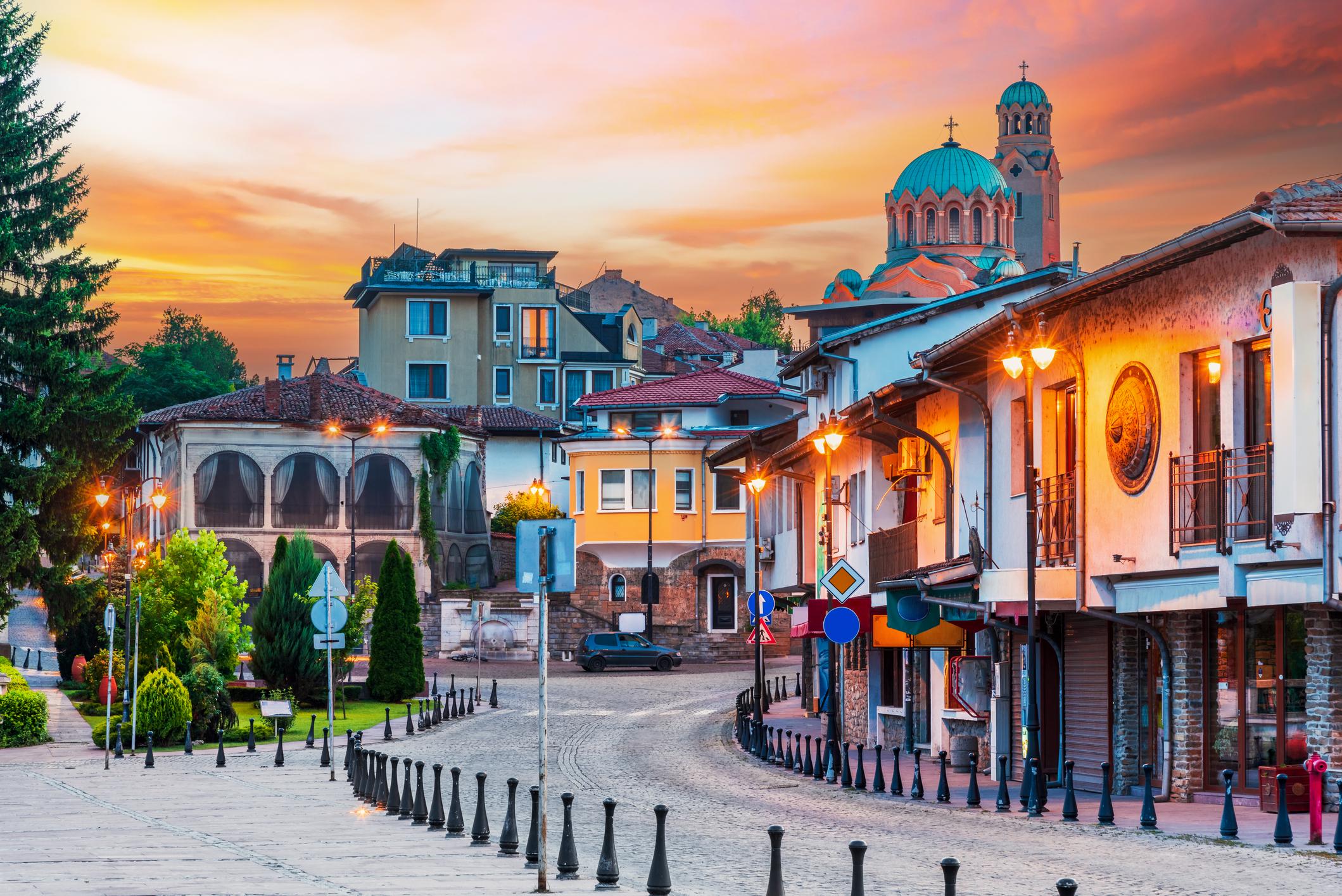
Historic street featuring traditional crafts.
Statue honoring the Bulgarian kings.
Notable medieval site nearby.
Flexible, no hidden fees.
Full refunds are available for cancellations made within the operator's specified booking window. Please refer to your confirmation voucher for specific terms regarding the 15 BGN conservation fee.
Hand-picked options within walking distance — pick a district for vibe, or a specific hotel for convenience.
Overlooking the fortress.
Central location for visitors.
Traditional architecture stays.
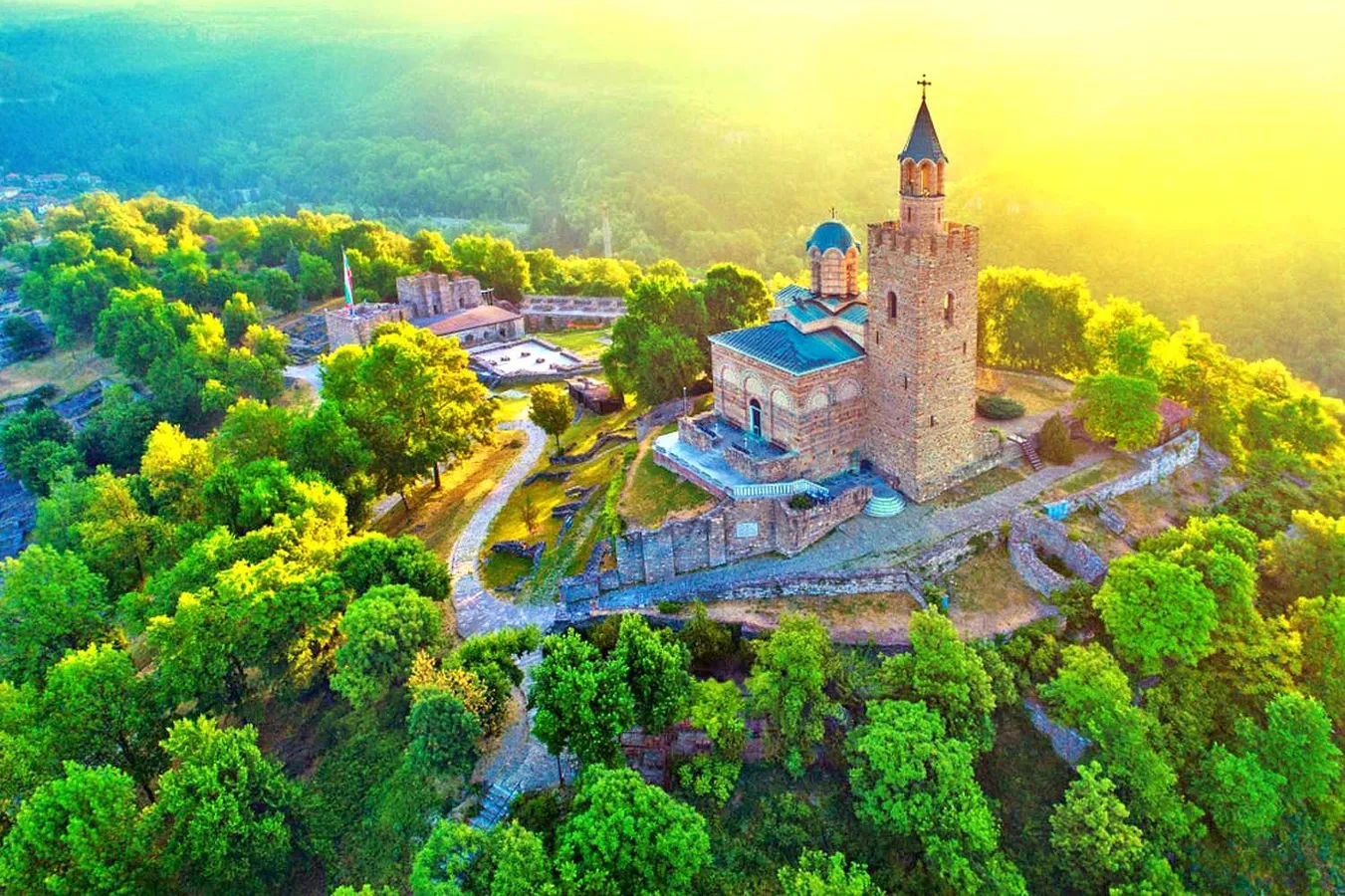
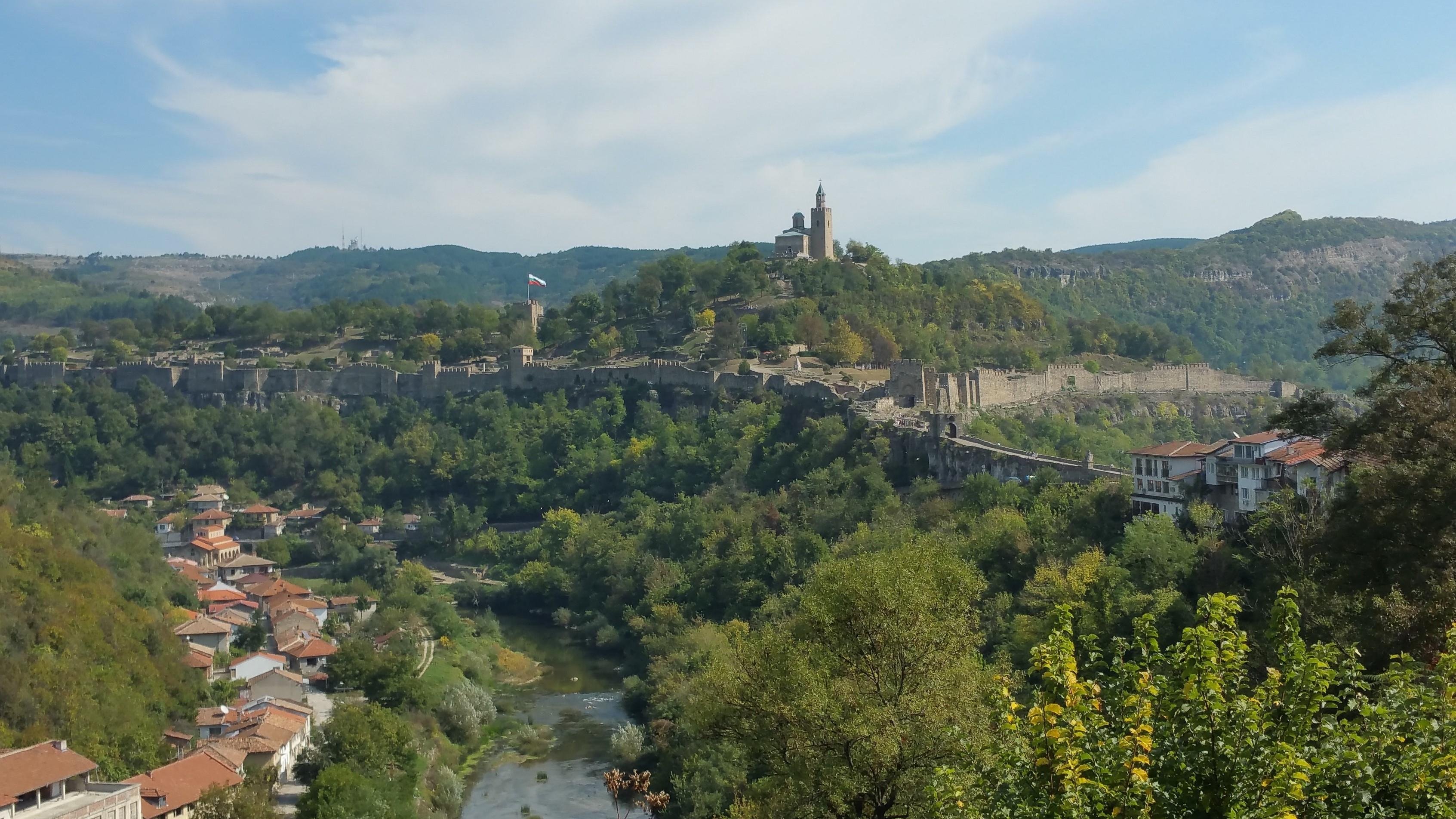
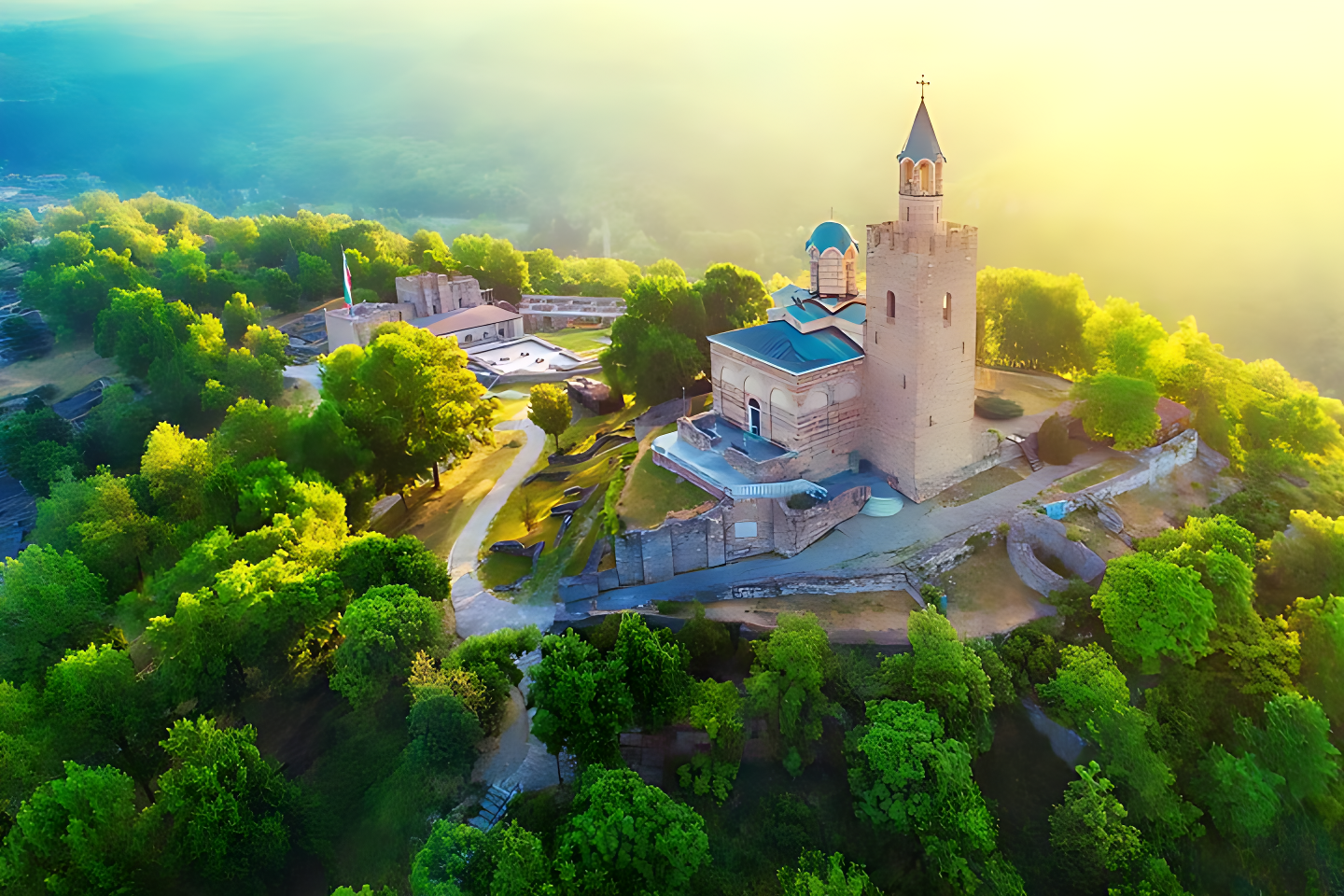
For roughly two centuries, the hill now called Tsarevets governed an empire that stretched to three seas. Veliko Tarnovo served as capital of the Second Bulgarian Empire from 1185 until 1393, when Ottoman forces breached its walls after a three-month siege. Contemporaries called it Tsarevgrad Tarnov — the city of the tsars — and Byzantine chroniclers ranked it alongside Constantinople for wealth and fortification. The Yantra River loops around the hill in a near-complete horseshoe, which is why the defenders needed walls on only one approach. What survives is a compound of three hills. Tsarevets held the royal palace and the Patriarchal Cathedral of the Holy Ascension of God, rebuilt in 1981 and painted inside by Teofan Sokerov in a stark modernist fresco cycle that still divides opinion among Bulgarian art historians. Trapezitsa, across the river, held the boyar quarter and some seventeen churches. Sveta Gora, the third hill, housed the literary school where Patriarch Evtimiy reformed Bulgarian orthography in the fourteenth century — work that later travelled north into Wallachia and Moldavia, which is precisely the historical thread a bulgaria day tour from bucharest retraces in reverse. Arbanasi sits four kilometres uphill on a limestone plateau. Its houses are not houses in the ordinary sense but fortified stone compounds with iron-shuttered windows and interior courtyards, built by wealthy merchant families in the sixteenth and seventeenth centuries who traded as far as Transylvania and Wallachia. The Nativity Church there hides some 3,500 painted figures behind a plain exterior, a deliberate camouflage under Ottoman building restrictions that forbade churches from rising above street level. Visitors on organised bulgaria day tour from bucharest tours often find this contrast more affecting than the fortress itself. North-west, near Ruse, the Ivanovo rock-hewn churches were cut into limestone cliffs above the Rusenski Lom canyon by hermit monks from the 1220s onward. Their thirteenth-century frescoes earned UNESCO World Heritage listing in 1979 and are considered among the finest surviving examples of Palaeologan painting outside Greece. The conservation fee at Tsarevets is 15 BGN, a standard charge per person that funds ongoing masonry stabilisation. The gates open at 08:00 and close at 20:00, seven days a week. Today the site draws scholars, restorers and travellers in roughly equal measure — a working ruin rather than a museum piece, still shedding stone, still being read.
"The Yantra loops around the hill in a near-complete horseshoe, which is why the defenders needed walls on only one approach."
Please contact us for more information.